
Why is mobile app development important in 2024
What is Mobile application development?
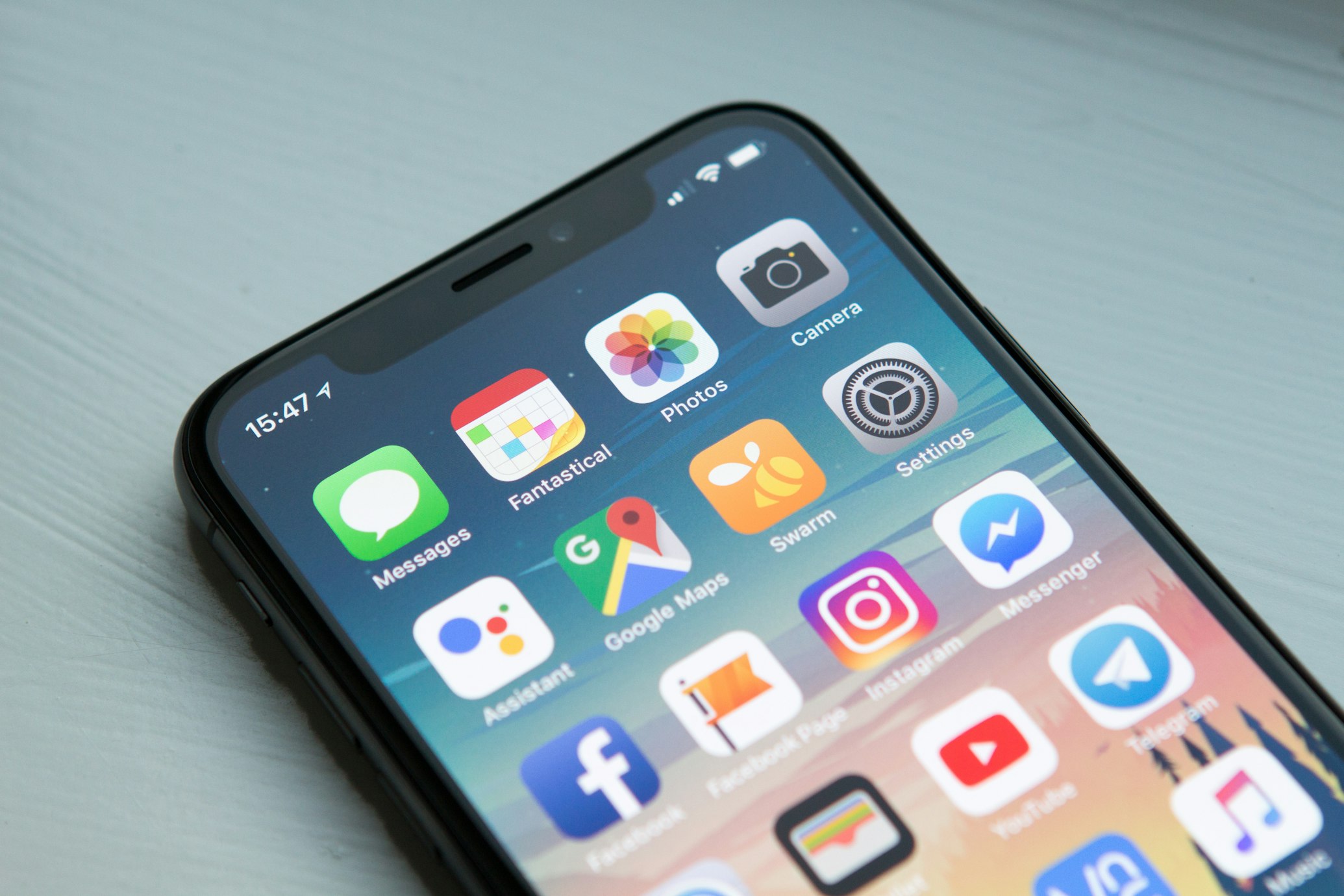
Mobile application development is the creation of software intended to run on mobile devices, such as smartphones and tablets. It's a field that has exploded in growth over the last decade.
It involves writing software, testing it on various devices, and optimizing performance. Unlike desktop software, mobile apps must deal with varied screen sizes, hardware specifications, and configurations. Developers use specialized tools and frameworks to ensure that their apps provide a seamless user experience, whether the user is on iOS or Android.
The benefits of developing for mobile, including accessing the device's camera, GPS, and push notifications, are vast. As businesses look to be where their customers are, mobile app development has moved from a "nice-to-have" to a critical pillar of modern digital strategy.
Applications for mobile devices
The very way we live, work, and play has been influenced by mobile apps. From banking apps that let us transfer money in seconds to fitness apps that track our health, these applications have become indispensable. The vast majority of time spent on mobile devices is spent within apps rather than mobile browsers.
In the past, if an app needed to be cross-platform and run on various operating systems, there was little to no code that could be reused from the initial development effort (OSes). Every gadget needed its own mobile app development project with its own code base.Modern cross-platform technologies leverage popular languages like C# and JavaScript to transfer code between projects; more importantly, they integrate well with application lifecycle management systems like Jenkins. As a result, programmers may create progressive web apps, Apple iOS, and Google Android from the same codebase (PWAs). PWAs are designed to make use of the built-in capabilities of mobile devices without requiring the end user to go to an app store, buy, and download software locally. You must decide which type you’ll make before beginning to design an app. Here is a list of various mobile app development technologies along with details about each.
Native software
Native apps are created specifically for one operating system (OS). For example, an app built using Swift or Objective-C is native to iOS, while one built with Kotlin or Java is native to Android. Native apps generally offer the best performance and access to hardware features.
Hybrid apps
These are web apps disguised in a native wrapper. They are built using web technologies like HTML, CSS, and JavaScript but run inside a container app. This allows them to run on multiple platforms with one code base, though sometimes at the cost of performance.
Advancing web applications
Or Progressive Web Apps (PWAs), are websites that look and feel like mobile apps. They are cost-effective and accessible via a browser but offer app-like features such as offline mode.
Encapsulated apps
These enable an enterprise app (like a container app) to run within a secure environment on a personal device. This helps maintain security and separation of work and personal data, which is increasingly important in BYOD (Bring Your Own Device) work cultures.
Libraries and frameworks
Developers use frameworks like React Native, Flutter, and Xamarin to accelerate development. These tools provide pre-written code and modules for common functions, saving time and ensuring standard performance across platforms.
What steps comprise the creation of a mobile app?
The step-by-step process of creating a mobile app involves several key stages:
- Define your goals: Understand what you want your app to do and who it is for.
- Research your market: Check out the competition and see what potential users want.
- Determine app features: Decide on the core functionalities (MVP) needed for the first version.
- UI/UX Design: Create wireframes and designs. How will the user interact with the app?
- Selection of development approach: Choose between Native, Hybrid, or Cross-Platform development.
- Development: The coding phase where the front-end and back-end of the app are built.
- Testing: Rigorous testing to find and fix bugs, ensuring the app is stable and secure.
- Deployment: Launching the app on app stores (Apple App Store, Google Play Store).
Post-launch involves monitoring feedback, analytics, and releasing updates to fix issues and add new features. It's a continuous cycle of improvement.